
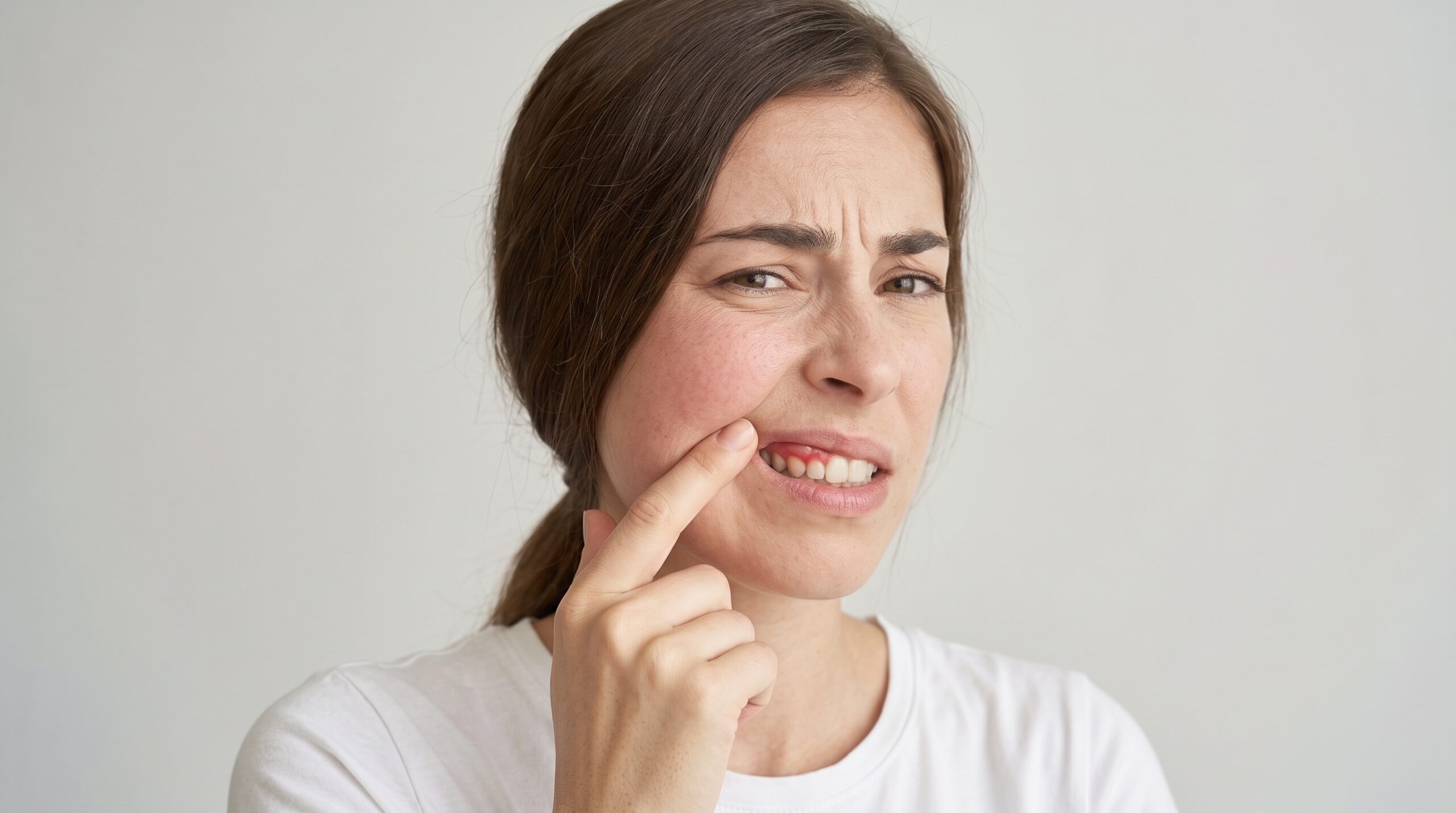
Periostitis often starts with something minor. A tooth aches for a few days, and by morning your cheek is already swollen. You touch your face, and even that hurts. This condition requires an examination by a dentist, not home treatment. Don’t wait for it to go away on its own. The infection is looking for a way out. At Dentlife, we’ll help you quickly find the cause and decide what to do next. Below is a brief overview of how to recognize it and what you need to do today.
What Is Inflammation of the Periosteum (Periostitis)
The periosteum is a thin membrane of dense tissue that covers bone, including the jaw. Inflammation of the periosteum (periostitis) begins when bacteria from a diseased tooth exit through the root tip and reach this membrane. It swells and presses on the nerves, which causes pain. Pus often collects beneath the tooth. That’s why this inflammation is almost never a separate disease: it is always linked to a tooth. The infection develops gradually. In the first few days, people often mistake the pain for an ordinary toothache and wait for it to subside. That’s where the main danger lies.
“A Draft Got Into My Tooth”: Why It’s a Myth
People say: “I sat in a draft, and now my tooth hurts.” That’s how the folk notion of a “draft in the tooth” came about. In reality, drafts have nothing to do with it. The tooth and jaw become inflamed because of bacteria. Cold and the onset of swelling simply coincide in time, so it seems as if one caused the other. The same goes for facial pain “from a draft”: it’s a myth. If your jaw hurts, look for the cause in a tooth, not an open window.
Symptoms of Periostitis
Symptoms of periostitis usually build up over several days. The toothache gets worse, the gum turns red, and then the cheek swells. These are the main signs of inflammation of the bone and its covering. Sometimes fever and fatigue appear too. The signs can appear in a different order.
- throbbing pain that radiates to the jaw;
- swelling of the gum or cheek;
- facial asymmetry: one side looks bigger;
- a feeling that the tooth is “higher”: it touches the opposite tooth first, and biting on it hurts;
- fever;
- general weakness.
Not all signs appear at once. Many people first have only a toothache, and the swelling comes the next day. Even one or two items from the list are already a reason to see a dentist.
| Symptom | How urgent |
|---|---|
| Dull ache, slight redness of the gum | Book an appointment within the next few days |
| Severe pain, noticeable cheek swelling | Seek care today |
| Fever and weakness | Seek care today |
| Swelling grows quickly, difficulty swallowing or breathing | Immediately; see the section on emergency care |
If you’re unsure which row your case falls into, choose the more urgent option.
Causes of Periostitis
The cause of bone inflammation is almost always in the tooth itself. The infection spreads beyond the root and reaches the bone’s covering. Its source is a problem that wasn’t treated in time or wasn’t treated completely. A diseased tooth often gives warning signs long before swelling appears, but these signals are easy to miss.
- untreated cavities and pulpitis;
- apical periodontitis: inflammation of the tissues around the root;
- inflammation around a partially erupted wisdom tooth;
- complications after root canal treatment;
- dental trauma.
In each of these cases, bacteria find their way to the root. From there, they reach the surrounding tissues. The longer this goes on, the higher the likelihood of periostitis.
Risk factors include irregular oral hygiene, infrequent dental visits and a weakened immune system. Wisdom tooth inflammation often starts with mild discomfort at the back of the mouth, so it goes unnoticed for a long time. An inflamed tooth root sometimes doesn’t hurt for a long time. Regular check-ups catch what you can’t feel.
Why Periostitis Is Dangerous
The danger of periostitis is that the infection doesn’t stay put. First, an abscess may form: a confined cavity filled with pus. Then the infection can spread to the soft tissues of the cheek, neck or the area around the eye. If you seek help in time, most cases are treated without serious consequences. Complications don’t occur in everyone. But it’s impossible to predict in advance who will develop them. That’s why a dentist assesses the condition only after an examination.
Toothache and a swollen cheek? Don’t wait: book an appointment with a Dentlife dentist or seek emergency dental care.
What to Do Before Your Dental Appointment
Before your appointment, you can ease your condition a little, but this won’t eliminate the cause. The goal is simple: dull the pain and get to a dentist as soon as possible. Home remedies are a pause, not a treatment. So call the clinic first, and only then think about a compress.
You can:
- apply a cold compress to the outside of your cheek, with breaks;
- take a pain reliever according to the instructions or on the advice of a doctor or pharmacist;
- rinse your mouth with an antiseptic according to its instructions;
- rest the tooth and avoid chewing on that side;
- book an appointment with a dentist.
A compress and a pain reliever will give you a few hours of relief. The infection won’t go anywhere, though. That’s why booking an appointment remains the key step.
Don’t:
- warm your cheek: heat can make the swelling worse;
- pierce your gum yourself;
- take antibiotics without a prescription;
- wait for it to “go away on its own.”
Heat, opening the gum and antibiotics taken “just in case” only complicate the picture. It’s then harder for the dentist to assess what has been happening. It’s better to skip these steps and book an appointment straight away.
When You Need Emergency Care
Emergency care is needed when the infection spreads beyond the tooth. Signs of this include rapid swelling, a high fever, and difficulty swallowing or breathing. Don’t put off your visit until tomorrow. Seek emergency dental care.
Get help immediately if you have:
- a high fever;
- swelling near the tooth that grows quickly or spreads to the eye or neck;
- difficulty swallowing or opening your mouth;
- difficulty breathing.
One of these signs is enough to act immediately. Don’t wait to see if it gets better. It’s better to seek help unnecessarily than to miss a dangerous complication.
If you have difficulty breathing, call 112.
How Periostitis Is Treated
Treatment of periostitis targets the source of infection: the tooth. The dentist examines your mouth, orders an X-ray and decides whether the tooth can be saved. The X-ray shows what’s happening under the gums and in the root. This also answers the question of how to treat bone inflammation. The cause is addressed first, not the symptom. The plan is always tailored to the individual.
- examination and X-ray;
- eliminating the source of infection: root canal treatment or tooth extraction;
- if needed, incision and drainage of pus;
- medication only as prescribed by a dentist.
The order of steps depends on the condition of the tooth. Your dentist will explain what you need in your particular case. They will also tell you whether follow-up visits will be needed. Recovery time depends on the cause and how promptly treatment begins.
Periostitis Care at Dentlife
At Dentlife dental clinic, you can get an appointment, diagnostics and emergency care for periostitis. The dentist will find the cause and suggest a treatment plan. Come in with pain, swelling, or simply a suspicion of inflammation. You’ll get a clear explanation of what’s happening and what the next steps are. You can easily check our opening hours and same-day appointment availability on our website or by phone.
Jaw pain or pain in a single tooth? Don’t wait: book an appointment with a Dentlife dentist or seek emergency dental care.
Frequently Asked Questions
How long does periostitis last?
It depends on the cause and how quickly treatment was started. Until the source of infection in the tooth is eliminated, the inflammation won’t go away completely. After treatment, the pain and swelling usually decrease gradually, but your dentist will determine the exact timeframe.
Can periostitis go away on its own?
Not reliably. The pain sometimes eases when the pus finds a way out, but the cause in the tooth remains. Then the inflammation often comes back. A dental examination is needed in any case. So it’s not worth waiting.
Can I apply heat to my cheek if I have periostitis?
No. Heat can speed up the process and help the infection spread. It’s better to apply a cold compress to the outside of your cheek, with breaks, and book an appointment with a dentist quickly.
Is it true that it can be caused by a draft?
It’s a myth. The pain is caused by a bacterial infection of the pulp or the surrounding tissues. A draft can only coincide in time with the onset of symptoms.
Are antibiotics needed for periostitis?
Not always, and only as prescribed by a dentist. The main treatment is eliminating the source of infection in the tooth. Antibiotics are prescribed when there are signs that the infection is spreading. Self-medication is dangerous and can mask the problem.
Does the tooth have to be extracted?
No. It all depends on the condition of the tooth. If the tooth can be saved, the dentist performs root canal treatment. Extraction is needed when the tooth is severely damaged or treatment isn’t possible. The decision is made after an examination and X-ray.
